

Guarantee safe & secure checkout
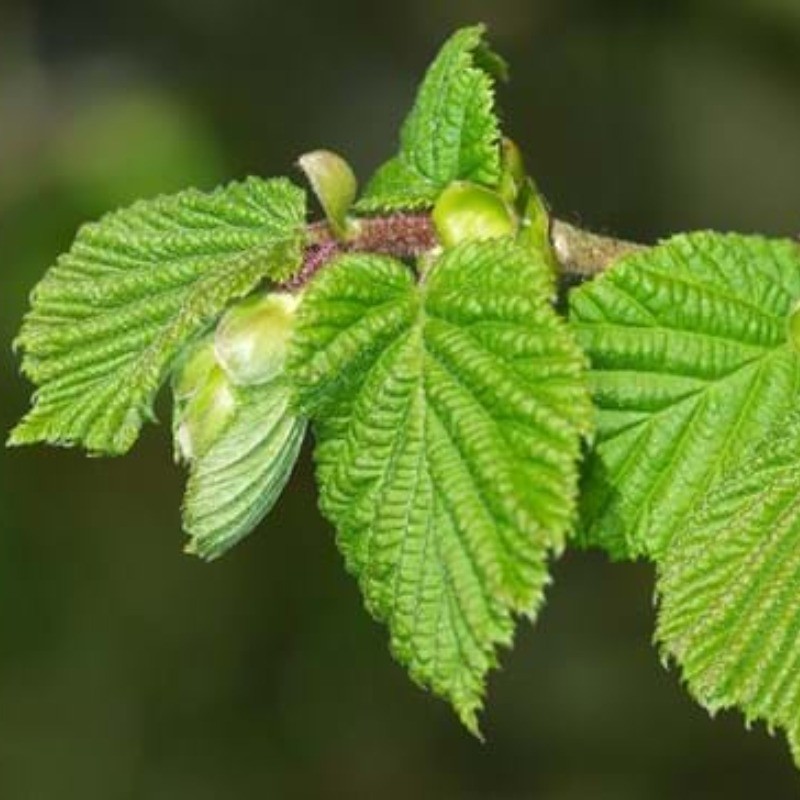
Hazel (Corylus avellana) is a versatile, native Irish shrub or small tree, known for its rounded, bushy appearance and smooth, peeling bark. Hazel is a popular choice for hedging and coppicing due to its rapid growth and ability to regenerate after cutting. In early spring, it produces long yellow catkins, often referred to as "lamb’s tails," followed by clusters of edible hazelnuts in autumn. These nuts are a valuable food source for wildlife, making Hazel a crucial component in creating biodiversity-friendly landscapes.
Wildlife Habitat: Hazel offers exceptional value to wildlife. The early-spring catkins provide one of the first food sources for pollinators, while its nuts are a favorite of squirrels, birds, and small mammals. The dense structure of the hedge also provides shelter and nesting sites.
Sustainable & Renewable: Hazel is ideal for coppicing, a traditional woodland management technique. It regrows vigorously after being cut, making it a renewable resource for poles, fencing, and other uses.
Seasonal Interest: Hazel provides seasonal interest with its golden catkins in late winter to early spring, followed by lush, green foliage in summer, and hazelnuts in the autumn.
Native Species: Being native to Ireland, Hazel supports local ecosystems and plays a key role in maintaining biodiversity, making it perfect for hedgerows on farms and rural landscapes.
Hazel is relatively easy to maintain, especially when used as a hedge or for coppicing. With minimal care, it will flourish and add ecological value to any farm or garden.
Planting: Hazel prefers moist, well-drained soils, but it is adaptable to a variety of soil types, including clay and loam. It grows well in both full sun and partial shade. Space plants about 1 meter apart for a hedge, or closer if planting for a dense thicket.
Pruning: To maintain a compact hedge, prune Hazel regularly in winter or early spring. It also responds well to coppicing, where stems are cut back to the ground every 7-10 years, encouraging fresh growth and ensuring the plant remains healthy and vigorous. This method promotes straight, strong stems that can be harvested for use in fencing or crafts.
Watering: While Hazel is fairly drought-tolerant once established, regular watering in its first few years will help it develop a strong root system. Water young plants in dry periods, especially during the summer months.
Pest & Disease Resistance: Hazel is generally pest-resistant, though you might see occasional attacks from aphids or caterpillars. Regular inspections can help prevent damage. The plant is also relatively disease-free, making it a low-maintenance choice.
As a native species, Hazel supports a wide range of wildlife, helping you meet biodiversity goals for the ACRES Scheme. Its multi-purpose nature also makes it a sustainable choice for farmers looking to enhance their land's environmental value while harvesting useful products like hazelnuts or poles for crafts and fencing.
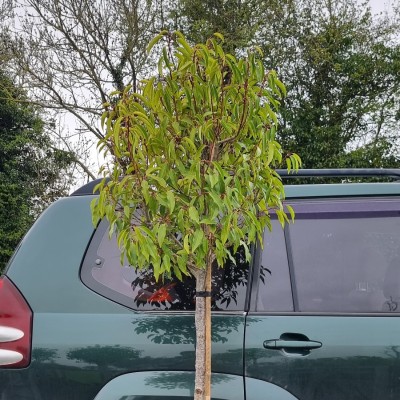
3/4 Standard Portuguese Laurel, a variant of Prunus lusitanica, is a versatile evergreen tree with a well-defined, rounded canopy that reaches three-fourths of its natural mature height. Recognized for its glossy, dark green leaves, this tree is prized for its adaptability to various soil types and its suitability for hedges, screens, or standalone ornamental use. Its dense foliage and year-round greenery contribute to an elegant and formal appearance in gardens or landscapes.
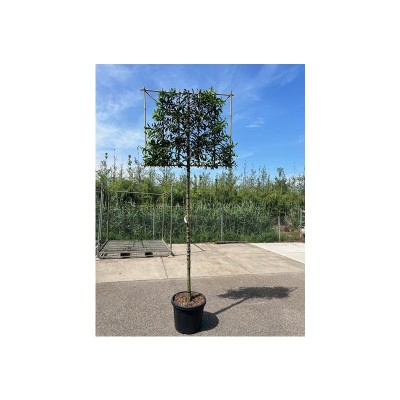
Evergreen pleached Portuguese Laurel — elegant year-round screening at height. Minimum order 3 trees. To discuss your requirements or get a delivered price, call us on 086 1504473 or email [email protected]
Tubex Nature™ Standard Tree Shelter is one of the most popular twin-walled tree shelters to protect growing trees from wildlife damage while supporting tree growth, designed for hard-to-reach areas where collection isn’t possible.
Please note:
Tubex Standard 75cm is suitable for new ACRES scheme
Euonymus 'Aureomarginatus' is a species of evergreen shrub that is known for its variegated foliage. It is also commonly known as golden margin Euonymus or golden edge Euonymus. The shrub typically grows to a height and width of around 6-8 feet and has a dense and bushy growth habit.
Sold as 9 Litre 1/4 Std
The Fagus sylvatica 'Atropurpurea,' commonly known as Copper Beech, is a majestic deciduous tree famed for its deep purple to copper-colored foliage that creates a stunning presence in the landscape. With a broad, rounded canopy and smooth gray bark, this tree grows up to 50-60 feet tall and 35-40 feet wide at maturity, making it ideal for large gardens or parkland settings. Its striking leaf color shifts to bronze tones in the fall, offering year-round interest and a sense of grandeur.
Bay hedges, or Laurus nobilis, are evergreen hedges with fragrant, dark green foliage that adds both beauty and practicality to any landscape. They can grow up to 20 feet tall, are low-maintenance, and can be easily pruned to maintain a desired height and shape. Bay hedges are popular for their culinary uses and can be used to create natural barriers for privacy, sound reduction, and wind protection, as well as for topiary designs.
Betula pendula also known as Silver birch
Fagus sylvatica
Also known as European beech trees, are deciduous trees that are native to Europe, Asia, and North Africa. They are known for their smooth, grey bark and their bright green, oval-shaped leaves. Green beech trees can grow to be quite tall, with some reaching up to 120 feet in height. They are also long-lived trees, with some specimens living for more than 300 years. Green beech trees are popular ornamental trees and are often planted in gardens and parks. They are also used in forestry and as shade trees. In the fall, the leaves of green beech trees turn golden brown before falling off the tree
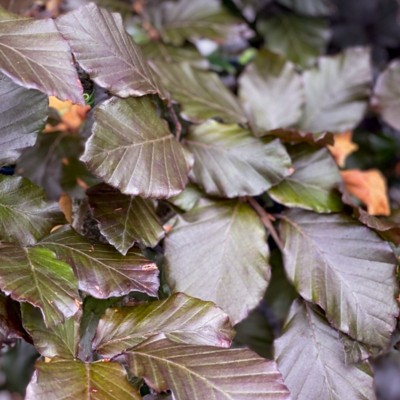
The Fagus sylvatica 'Atropurpurea,' commonly known as Copper Beech, is a majestic deciduous tree famed for its deep purple to copper-colored foliage that creates a stunning presence in the landscape. With a broad, rounded canopy and smooth gray bark, this tree grows up to 50-60 feet tall and 35-40 feet wide at maturity, making it ideal for large gardens or parkland settings. Its striking leaf color shifts to bronze tones in the fall, offering year-round interest and a sense of grandeur.
Suitable for ACRES